Heavy lift is not "big cargo." It's a different discipline.
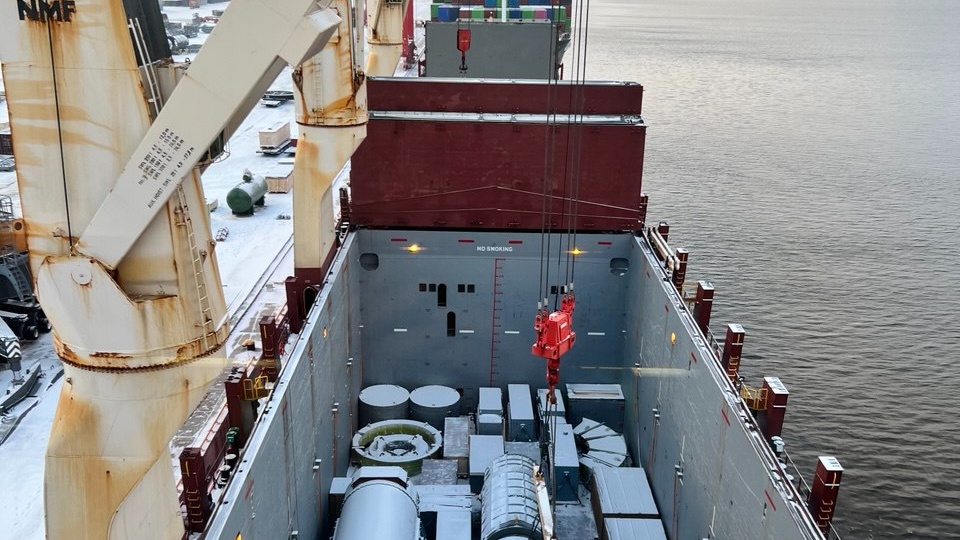
People outside the industry often think heavy lift shipping is just regular freight, scaled up. Bigger box, bigger ship, same process. It isn't.
In standard freight, the cargo adapts to the ship — it's containerized, palletized, built to fit a standard slot. In heavy lift, the ship has to adapt to the cargo.
A transformer or a generator doesn't come in a box. It has its own center of gravity, its own lifting points, its own tolerance for stress and vibration. Before a single quote goes out, someone has to answer questions like:
→ Can this vessel's gear actually lift this weight, or do we need floating cranes?
→ Where does the load sit on deck so stability isn't compromised?
→ What lashing and securing calculations does this specific cargo require?
→ Does the route avoid swell conditions this cargo can't tolerate?
That's engineering work, not booking work. It happens before chartering, and it shapes which vessels are even candidates.
This is why heavy lift freight isn't quoted off a rate sheet. Every shipment is closer to a small engineering project than a transport order.
It's also why I find this side of shipping genuinely interesting — every cargo asks a different question, and there's rarely a copy-paste answer.
#HeavyLift #ProjectCargo #ShipBroking #MaritimeLogistics #BreakBulk