
River–sea transport
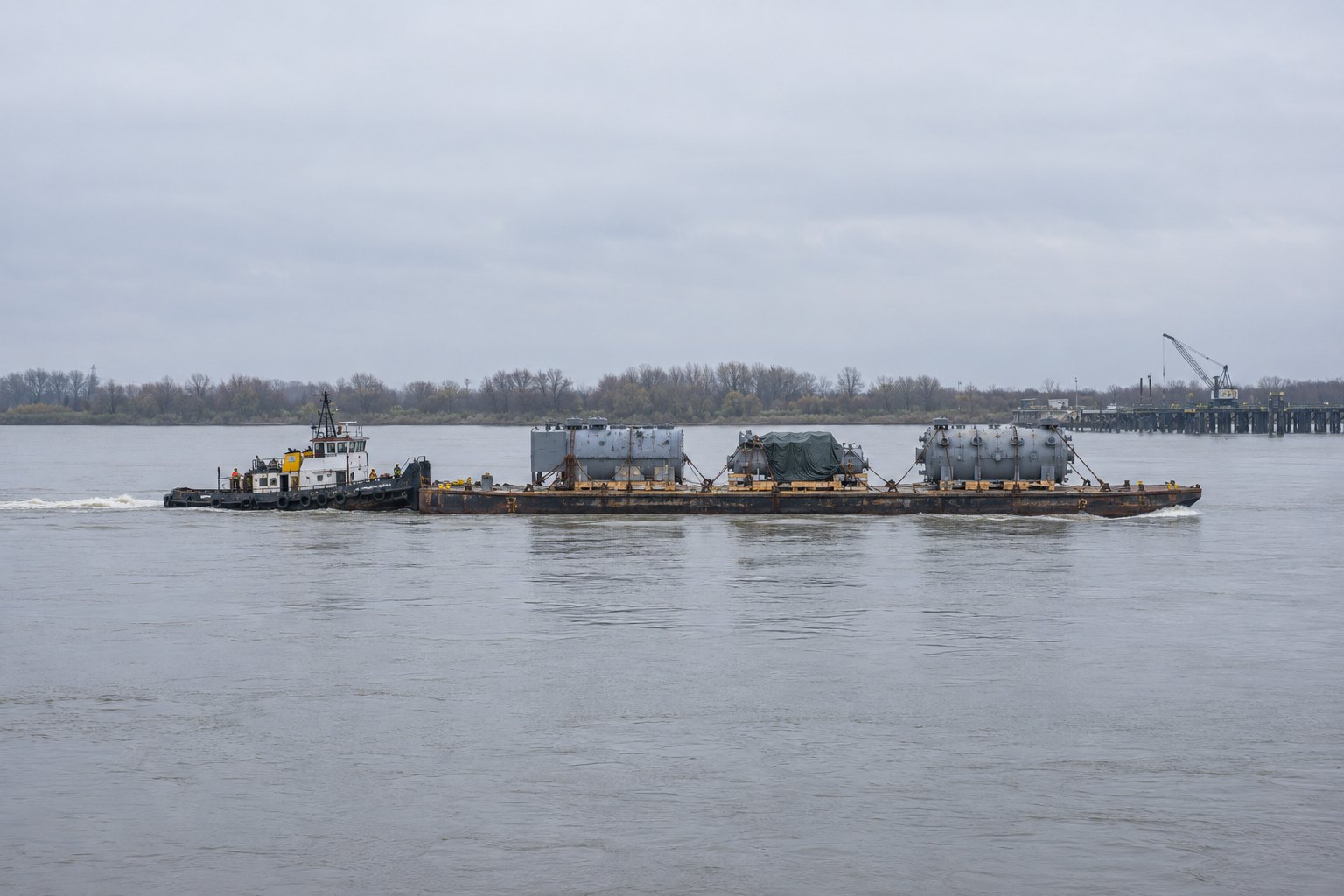
We select river vessels and barges to connect cargo with a sea leg. We account for draught, dimensions, budget and underwriter requirements.

What is included
Connectingriver and sea
We develop the transport arrangement when a seagoing vessel cannot reach the cargo’s origin or destination. We select river tonnage and connect it with the sea leg. The proposed arrangement accounts for access constraints, budget and underwriter requirements.
01
River tonnage
We select a river vessel or barge against cargo particulars and the draught restrictions along the route.
02
Dimensional limits
We compare cargo and vessel dimensions with the access restrictions on the proposed river leg.
03
Transport budget
We compare river and sea transport options, including cargo transfer, against the available transport budget.
04
Underwriter requirements
We account for underwriter requirements when selecting river tonnage and the transfer arrangement.
How it works
Four stepsto transfer
From the river leg to the seagoing vessel.
01
Route
We obtain cargo particulars and origin and destination details. We identify the river leg and the required connection with sea transport.
02
Options
We assess available river vessels and barges against access constraints. We discuss options within the budget and underwriter requirements.
03
Connection
We align the sequence of river and sea legs. We clarify cargo transfer requirements and the receiving vessel’s readiness.
04
Transfer
We coordinate the cargo handover from river to seagoing tonnage. We align the participants within the agreed transport arrangement.
Send a request