
- Date
- 6 October 2026
- Category
- Chartering
- Reading time
- 4 minutes
The 2026 Freight Market: Finding Tonnage for Project Cargo

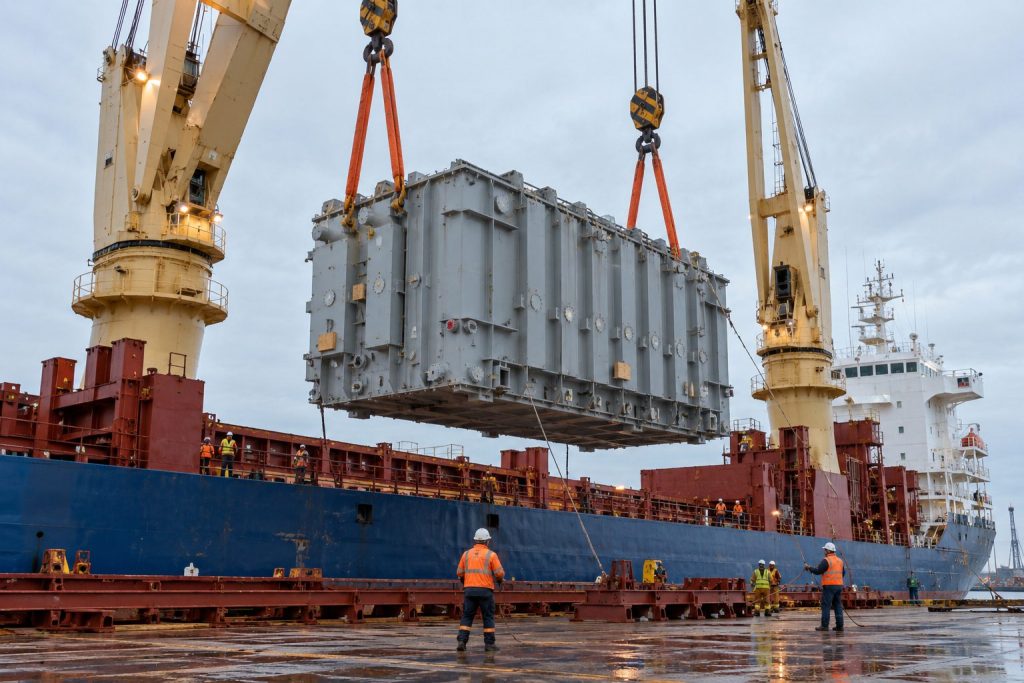
A project shipment needs more than an available vessel: the tonnage must fit the cargo, route and readiness dates. A suitable vessel may already be committed, positioned far from the load port or operating on an incompatible schedule. For out-of-gauge cargo, the search is further constrained by deck, hold, crane and port requirements.
Good cargo data speeds up the search
The search should start with a technical brief covering cargo dimensions, weight and centre of gravity, handling method, ports and dates. This allows candidate vessels to be compared on practical suitability. For MPP tonnage, the review includes hold and hatch dimensions, crane capacity, allowable loads and the means of securing the cargo.
Spot freight rates depend on tonnage availability and the terms of the particular voyage. The total cost may include vessel positioning, port costs, waiting time, cargo operations and securing. A time charter may be considered for a longer or recurring programme, but the duration and allocation of costs and responsibilities must be assessed under the proposed charter terms.

Direct contacts and checking the offer
Some tonnage may be offered directly by shipowners or discussed through brokers before it appears on an open platform. Shipbrokers in Dubai and other maritime centres can support a regional search, but location alone does not guarantee that suitable tonnage is available. The vessel’s technical particulars, schedule and the owner’s acceptance of the cargo must all be confirmed.
Access to off-market tonnage does not, by itself, guarantee a lower rate or a suitable vessel. Each option should be compared by total cost, positioning time, charter-party terms and technical suitability. If the engineering review cannot confirm that the cargo can be loaded and stowed, the commercial appeal of the vessel must be weighed against the risk of changing the transport plan.

Commercial terms must match the plan
Before the fixture is concluded, the parties agree the applicable terms for cargo operations, laytime and any demurrage exposure, cargo securing and required documents. The project’s commercial management must reflect the actual readiness of the cargo and terminal. Otherwise, late equipment or permits may affect the cost even where the initial freight rate appears attractive.
Poseydonia combines chartering with engineering review so that project requirements are considered early in the search. Tonnage availability, routing and commercial terms are confirmed for each enquiry.
Was this article helpful?



Send a request