
- Date
- 14 May 2026
- Category
- Engineering
- Reading time
- 5 minutes
Engineering before chartering: why the cargo plan must come before choosing the vessel
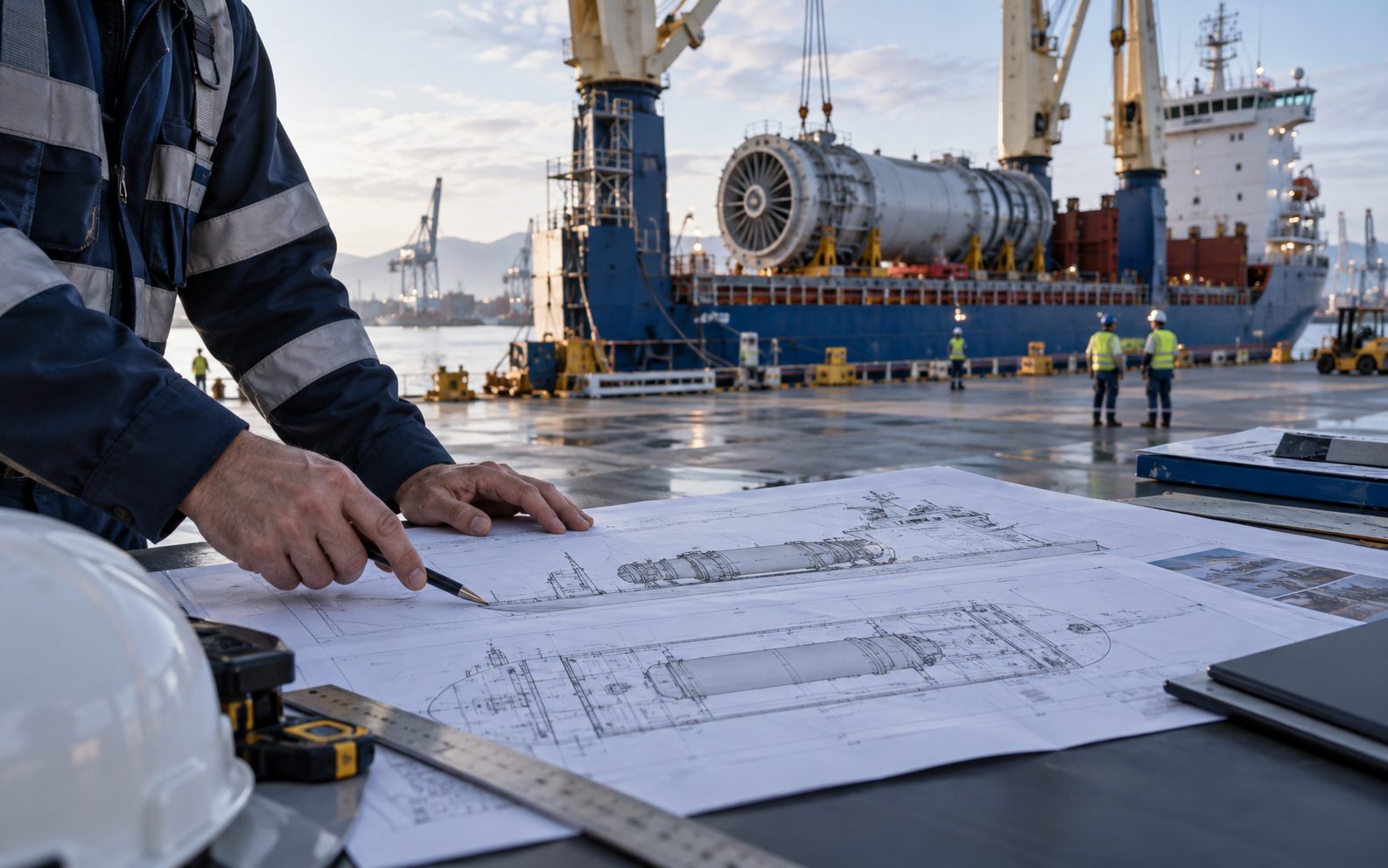
A cargo plan is not a formality after the vessel has been chosen, but one of the main tools for choosing it. It shows in advance whether a specific cargo can be safely stowed, loaded, secured and discharged.
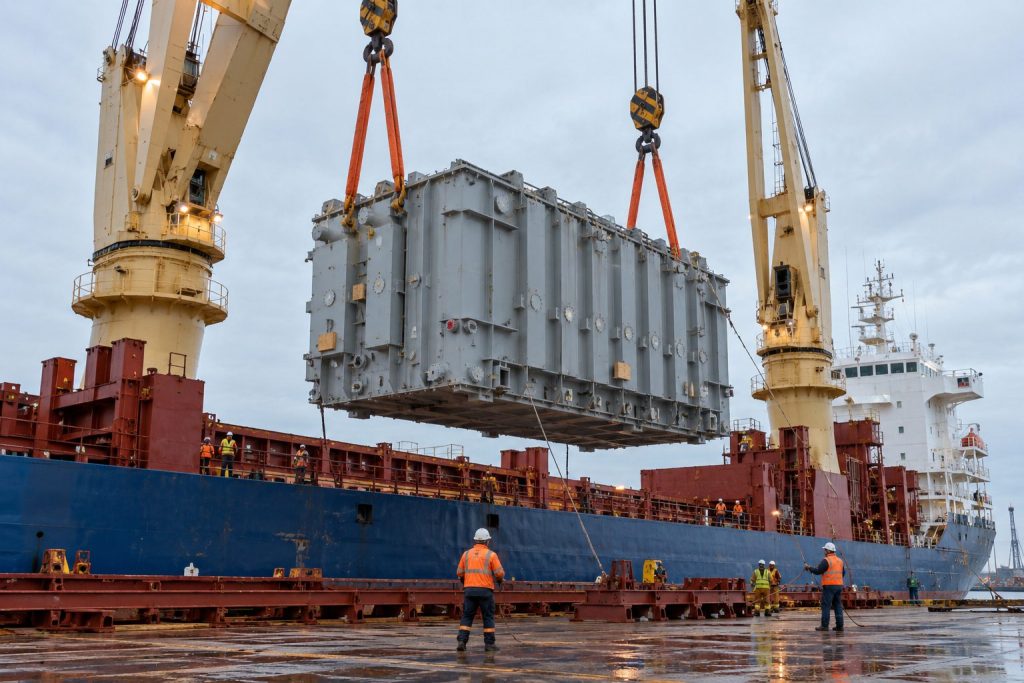
In project logistics a vessel cannot be assessed by deadweight, hold size or crane capacity alone. Even if the cargo fits by dimensions, questions remain about deck loads, support points, centre of gravity, slinging, lashing and access to the discharge position.
If the technical scheme appears only after the tonnage has been fixed, the choice narrows to what that particular vessel can do. Any mismatch — insufficient permissible load, unfavourable crane geometry or berth restrictions — turns into a costly change to the project.
First, the technical scheme of the carriage. Only then, chartering a suitable vessel.
Where a cargo plan begins
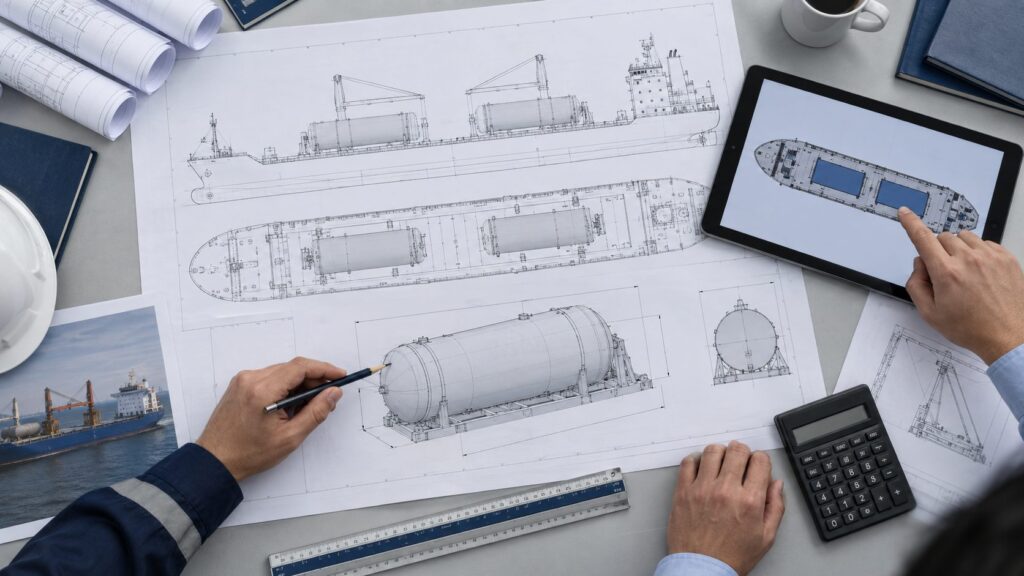
The first step is collecting input data. You need the exact dimensions and weight of each piece, the coordinates of the centre of gravity, the layout of lifting points, drawings and support requirements. Ports, cargo readiness dates and the intended loading method are recorded separately.
On the basis of this data the engineer matches the cargo against the vessel's parameters. Stowage, permissible loads, the feasibility of lifting with ship's cranes, the lashing scheme, ballasting and the sequence of the operation are checked. In parallel, berth and shore equipment restrictions are assessed.
What changes for the client
When engineering is done before chartering, the rate and terms are discussed for tonnage that is already technically suitable. This reduces the number of uncertain reservations and helps agree the parties' responsibilities in advance.
The cargo plan also becomes the basis for working with stevedores, the vessel, the terminal and the insurer. All participants work from one scheme, and critical decisions are made not at the moment of loading but during preparation.
The earlier the constraints are identified, the more options the team keeps and the lower the risk of costly changes.
Engineering does not end at the drawing
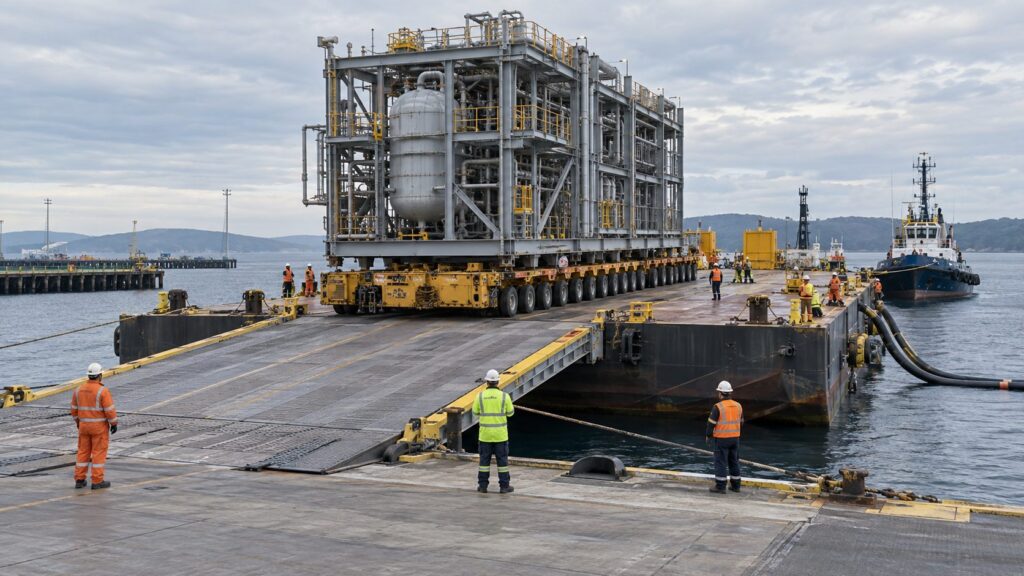
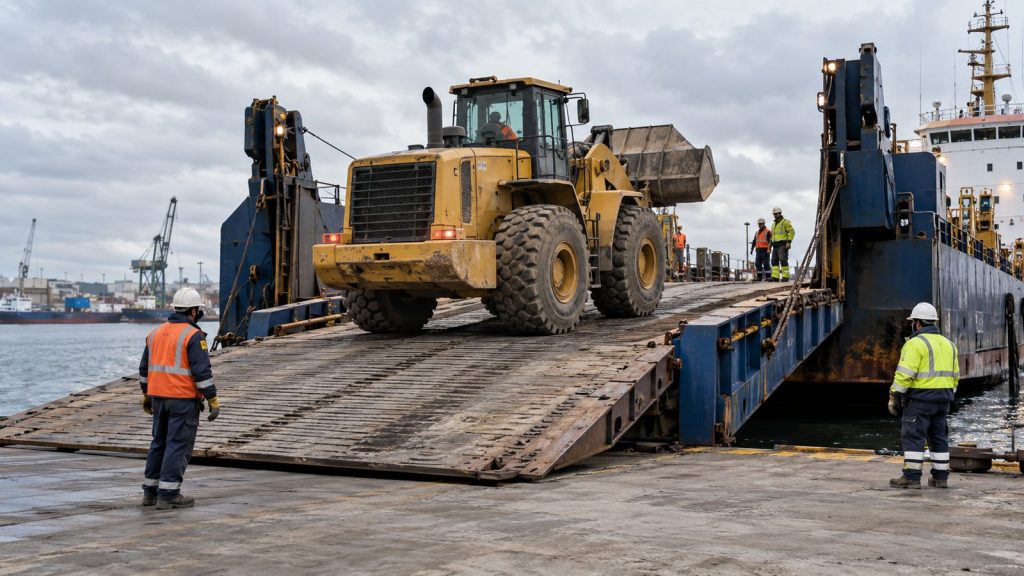
Even a good plan has to be executed precisely. During loading the team coordinates stevedores, controls the stowage and lashing of the cargo and, where necessary, provides supercargo supervision on board. For barge and Ro-Ro operations, ballasting, the ramp and the roll-on sequence are controlled separately.
That is why Poseydonia combines the engineering, chartering and operational parts of a project in one team. The vessel is chosen for the cargo and the ready operation scheme, not the other way round. This makes the entire water leg of the carriage clear and manageable for the client.
Was this article helpful?



Send a request