
- Date
- 8 May 2026
- Category
- Chartering
- Reading time
- 4 minutes
Selecting a Vessel for Non-Standard Energy Equipment
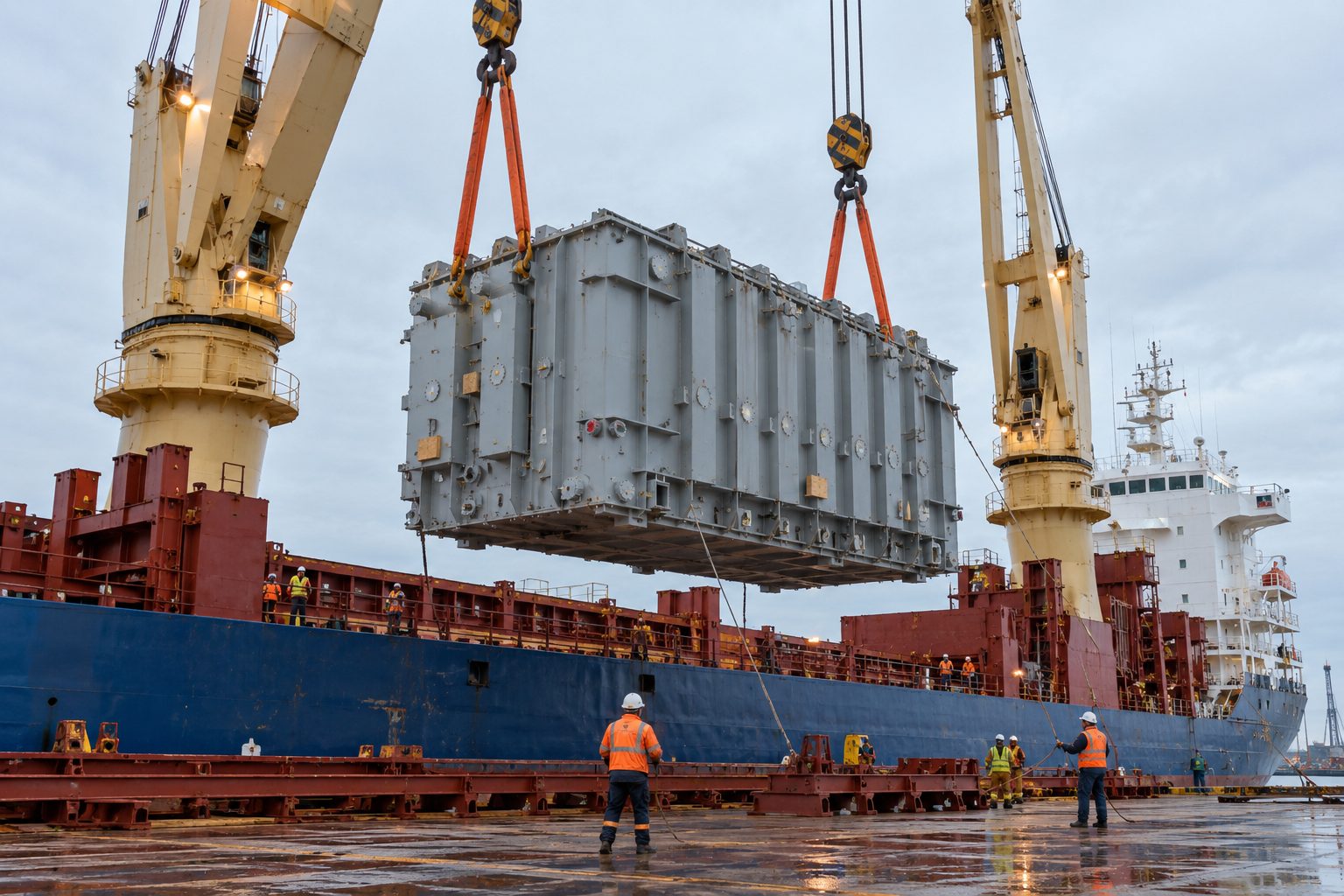
When shipping a transformer, turbine or industrial module, the question is not simply which crane can lift the cargo. The entire operation must be reviewed: lifting, transfer over the ship’s side or through a hatch, positioning, securing, the sea passage and discharge. Vessel selection depends on the equipment’s characteristics and the conditions at both ports.
Crane capacity is only one part of the assessment
For a lifting operation, the team must review the crane’s load chart at the required outreach, whether a tandem lift is permitted, the rigging arrangement and weather limitations. These details are checked against the vessel’s drawings and the lift plan. The cargo and rigging must also have a clear path through the hatch and past coamings and other structures.
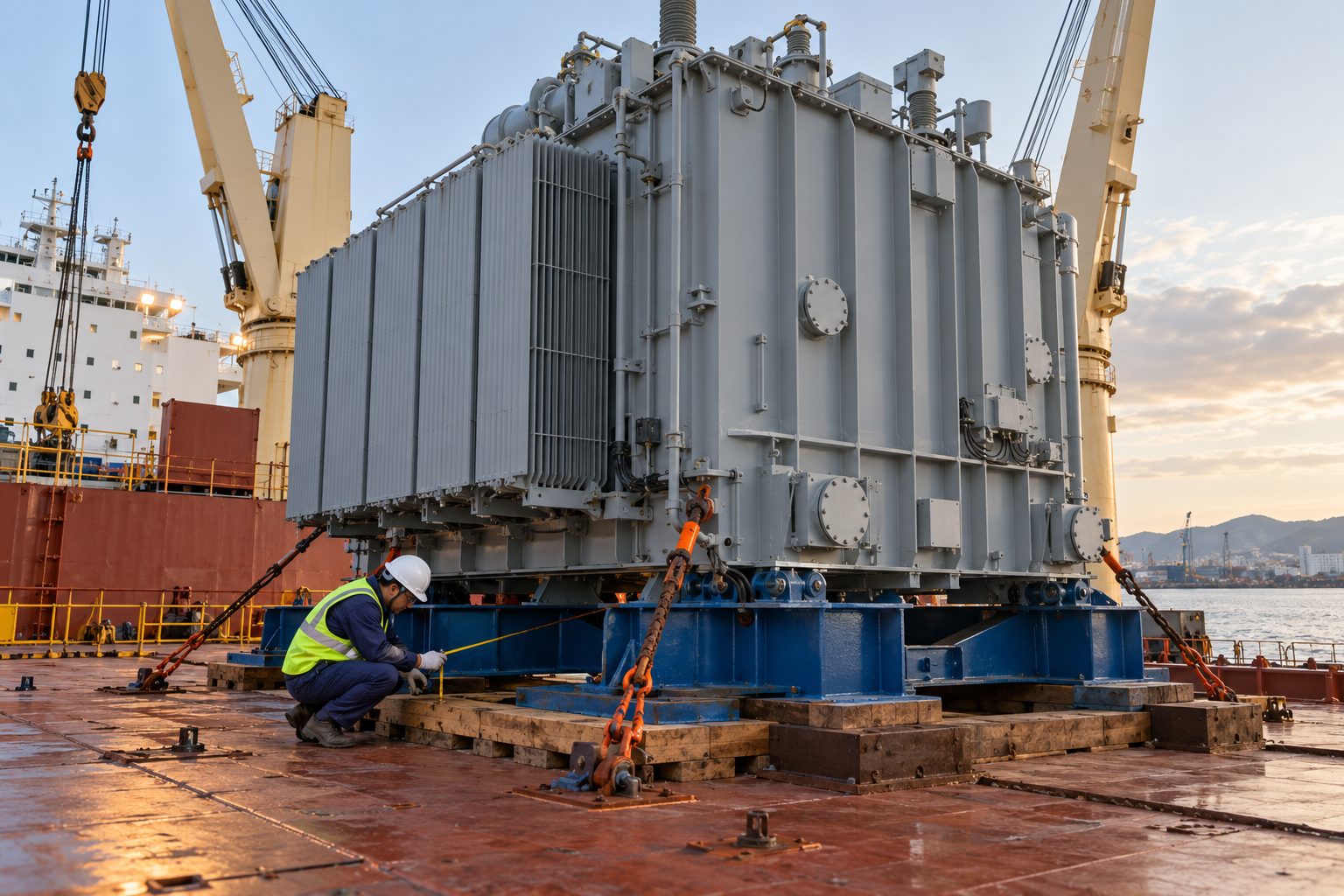
For transformers, the review also covers the centre of gravity, manufacturer limits on tilt and vibration, and approved lifting and support points. If the unit cannot be carried in the hold, deck stowage may be considered, subject to confirmation of structural strength and suitable protection for the equipment.
Deck strength, supports and cargo handling method
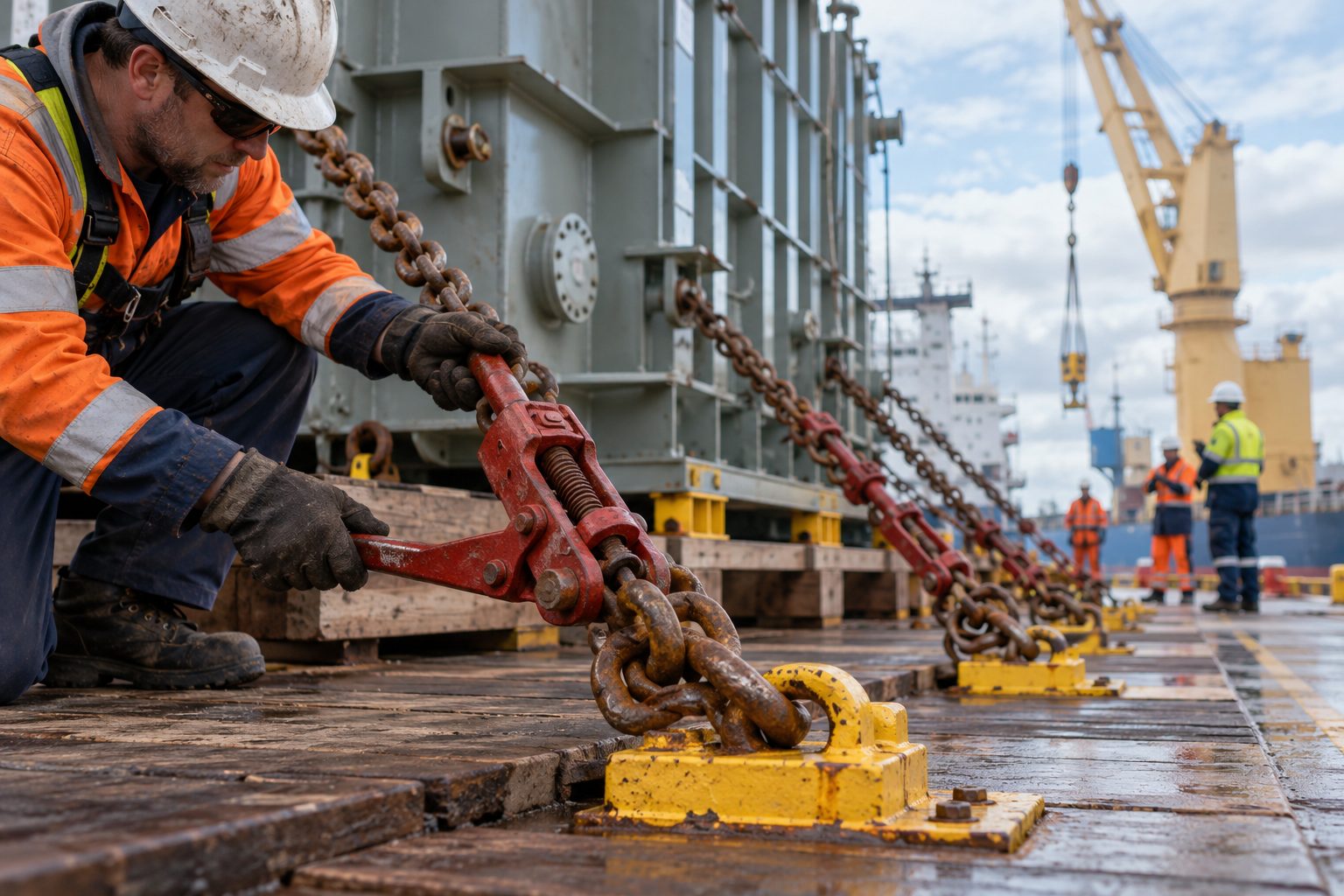
The engineering plan establishes how loads are transferred to the deck or tank top. The vessel’s structural strength, local loads at the support points, weight distribution and stability must be checked. Where required, fabricated support stools or grillage distribute the load to structurally adequate areas. The sea-fastening arrangement must reflect the voyage conditions and be agreed with the vessel owner.
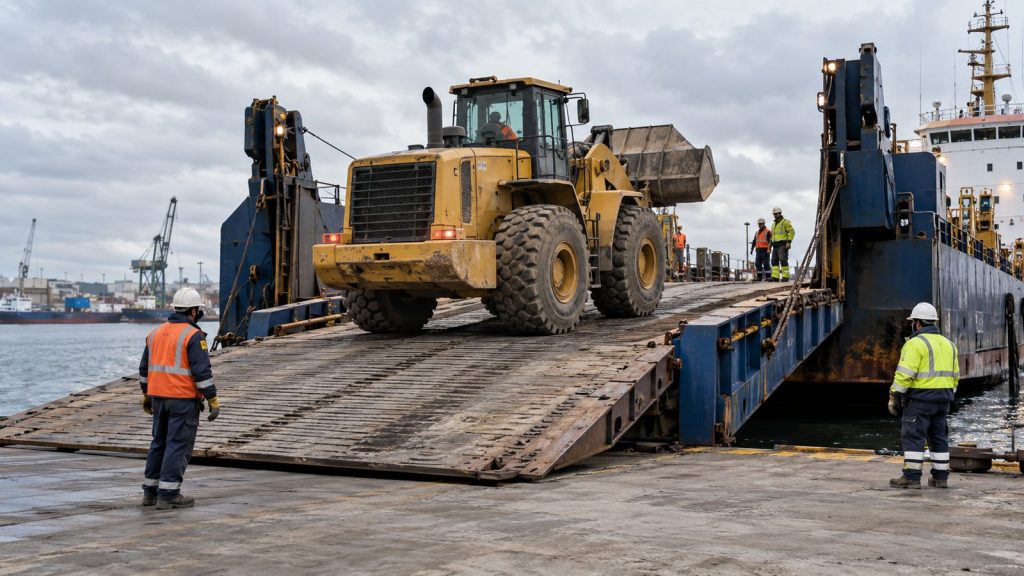
Depending on the route and port infrastructure, the options may include a heavy-lift vessel, an MPP vessel, a barge or Ro-Ro operations. A barge solution requires a review of barge ballasting and the berth interface; a roll-on operation requires a suitable ramp and a way to move the unit on a trailer. Having heavy-lift gear on board will not solve the problem if the receiving port is not equipped to handle the cargo.
Documents and operational control
Before loading, the parties agree the stowage drawings, lifting method, rigging list, securing points and sequence of work. A marine survey report records the cargo’s condition and key stages of the operation, but it does not replace engineering calculations or approval of the technical method.
Poseydonia combines the preliminary engineering review with vessel chartering. This helps match the vessel to the cargo’s actual characteristics and identify route and port constraints early. The final arrangement is confirmed against the particulars of the selected vessel and terminals.
Was this article helpful?



Send a request