
- Date
- 29 April 2026
- Category
- Routes
- Reading time
- 4 minutes
Project Cargo Routes: The Persian Gulf, India and Africa
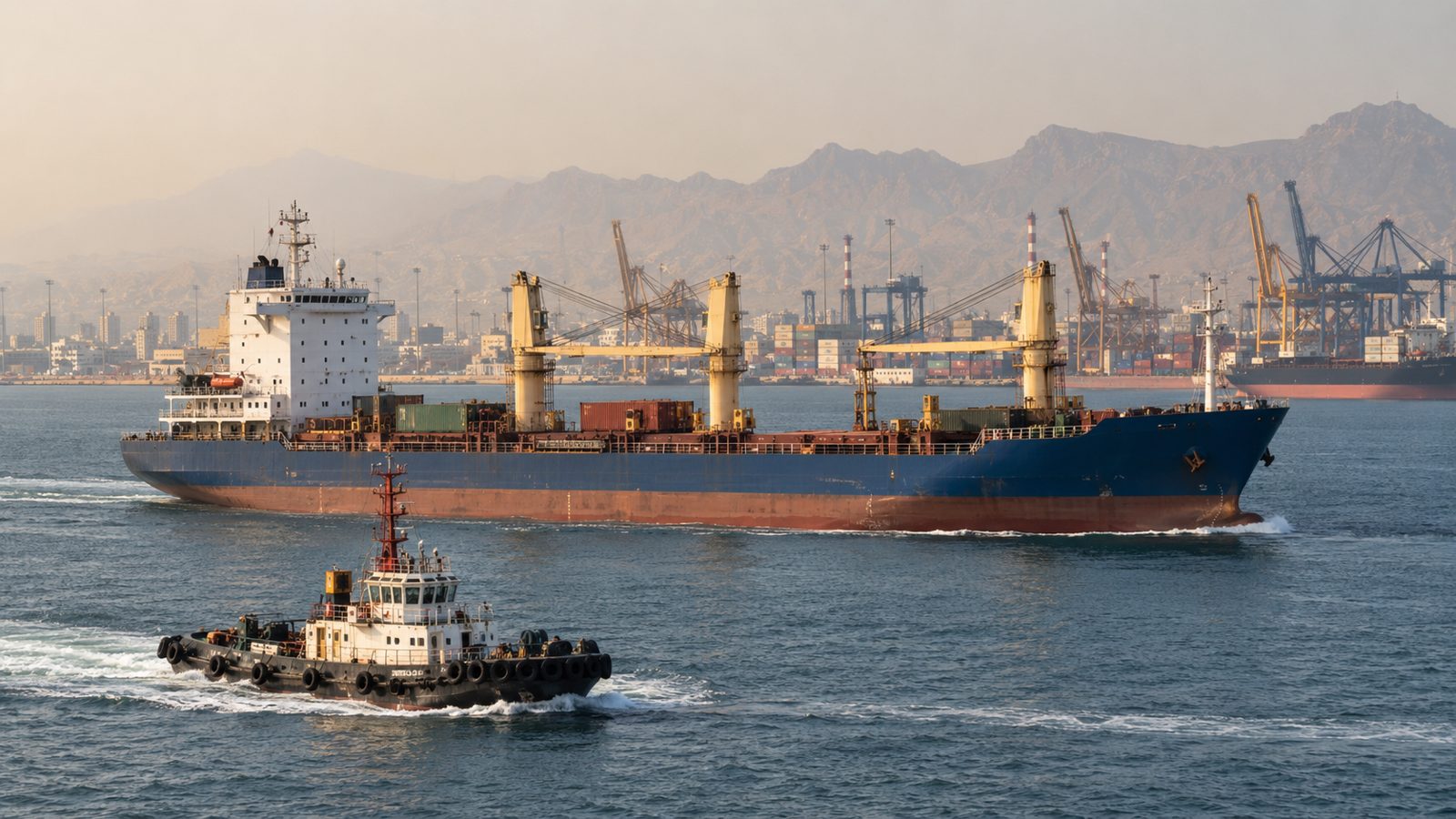
For project cargo, a route is determined by more than the distance between two ports. The vessel must be able to transit the approach channel and berth safely and complete cargo operations within the limits of its draft, the dimensions of the cargo and the terminal’s capabilities. Planning heavy equipment shipments to the Persian Gulf, India and Africa therefore starts with a review of the ports and the entire handling chain.
Port conditions shape the transport plan
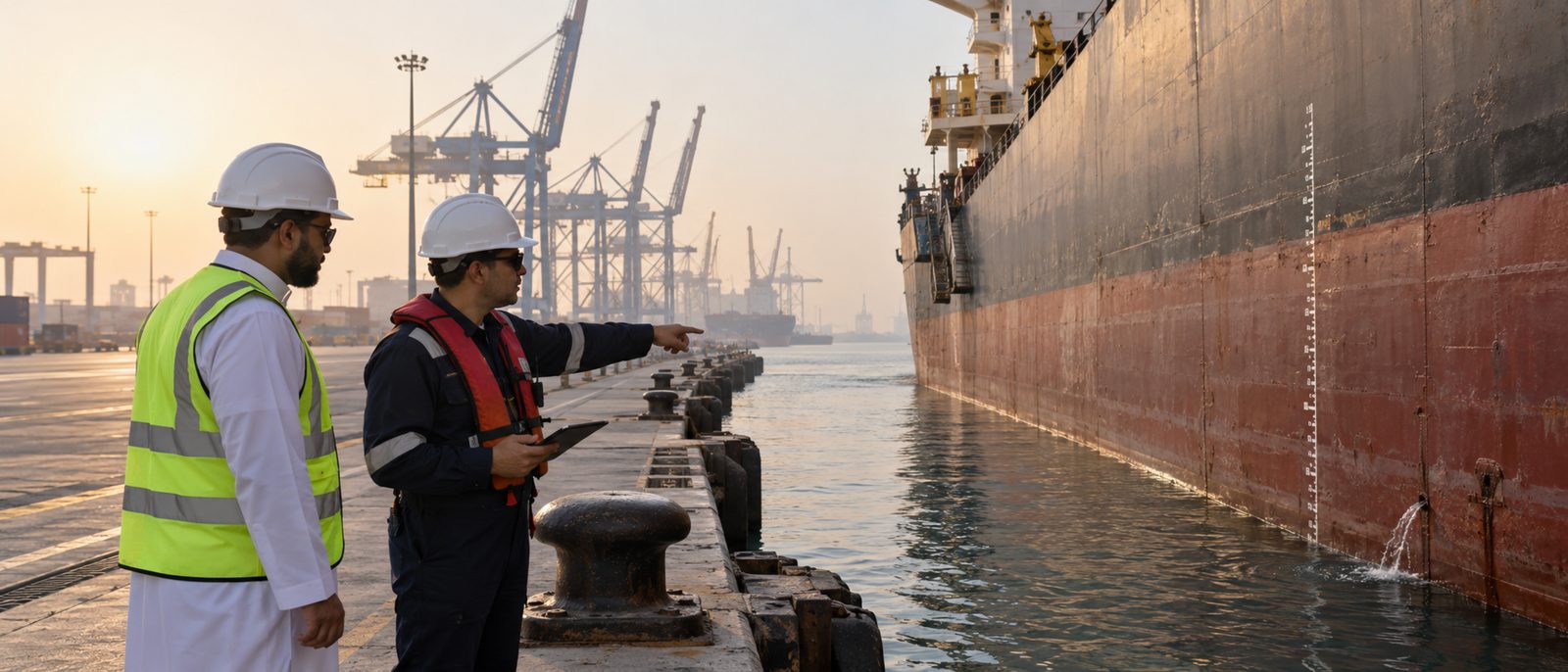
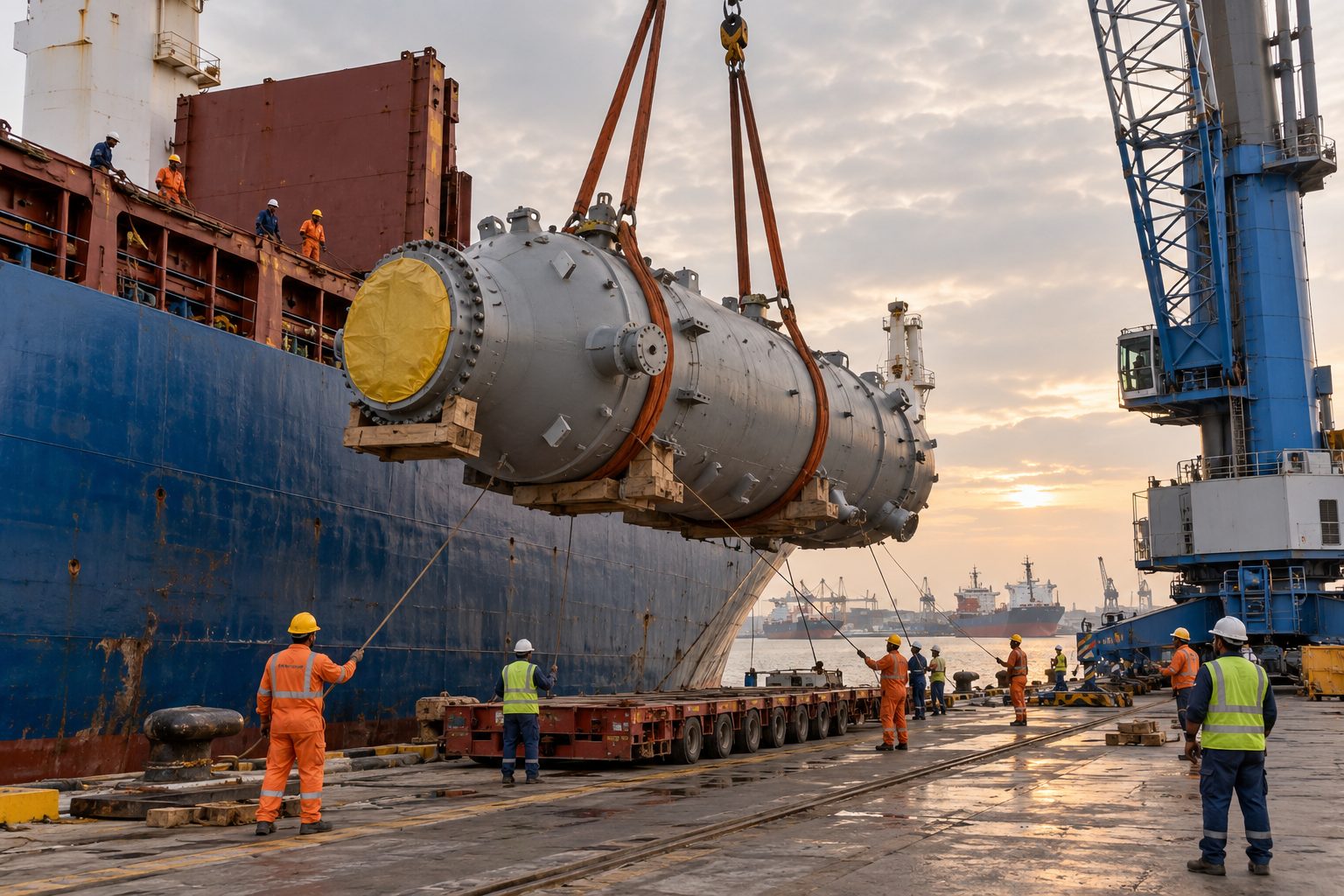
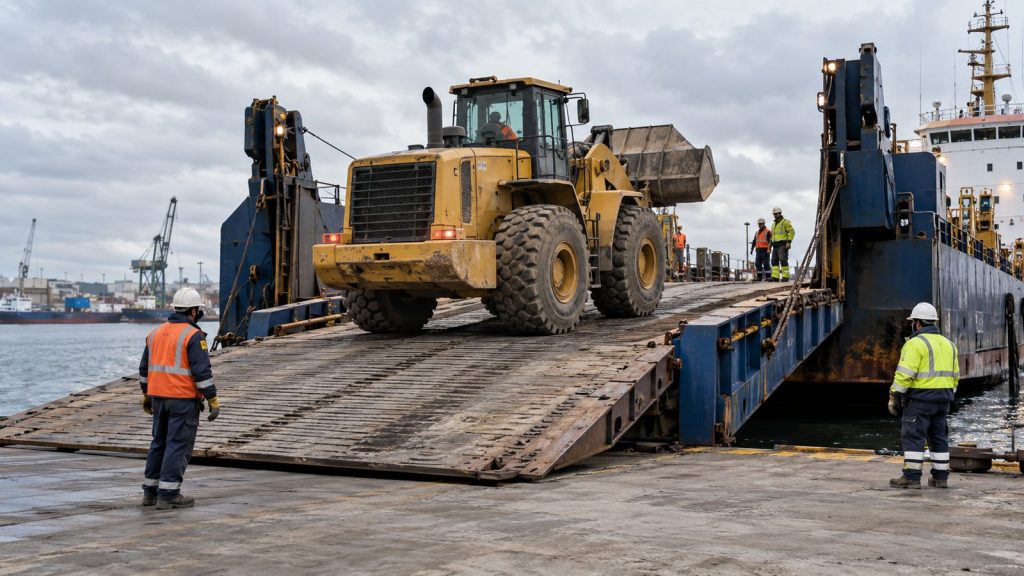
Each port has its own limits on vessel draft and channel depth, berth length, allowable quay loads and shore crane capacity. For heavy project cargo, the team must also establish whether temporary cargo supports can be installed, whether the unit can be moved on a roll trailer, and whether the vessel’s cranes can discharge it. Port and terminal data should be confirmed for the intended operating window.
The full route must be checked, including passages subject to separate requirements. If the Suez Canal is part of the proposed routing, its transit conditions, dues and restrictions should be confirmed before the voyage is fixed. The schedule should allow for more than sea passage: berth waiting time, permits, weather and the readiness of the onward inland transport all affect the delivery plan.
Transshipment and vessel selection
A direct call may not be available or commercially viable. Transshipment at a nearby port can be considered, but the cargo handling equipment, temporary storage area and arrangements for reloading must be checked in advance. An additional lift adds time and cost and must be reflected in the handling plan and budget.
A multipurpose (MPP) vessel may suit a wide range of project cargo, but the vessel still needs to be assessed for the specific shipment. The review covers hatch and deck dimensions, crane capacity, deck loads and cargo securing arrangements. Tonnage availability should also be checked with shipowners in Dubai and other regional centres.
When comparing routes, account for port dues, stevedoring costs, towage and pilotage, potential waiting time and any storage charges. Transit time should be treated as the duration of the complete transport operation, not simply the sea passage.
One plan from load port to project site
The cargo plan should reflect the equipment and operating limits at both ports, as well as the onward delivery. Engineering supervision helps verify that actual site conditions match the agreed method statement and identify changes that may require the sequence of work to be revised.
Poseydonia develops project logistics and vessel options around the cargo data and proposed route. Vessel availability, schedules and port conditions are confirmed for each individual project.
Was this article helpful?




Send a request